
Why Does Roof Longevity Matter in Carthage, NY?
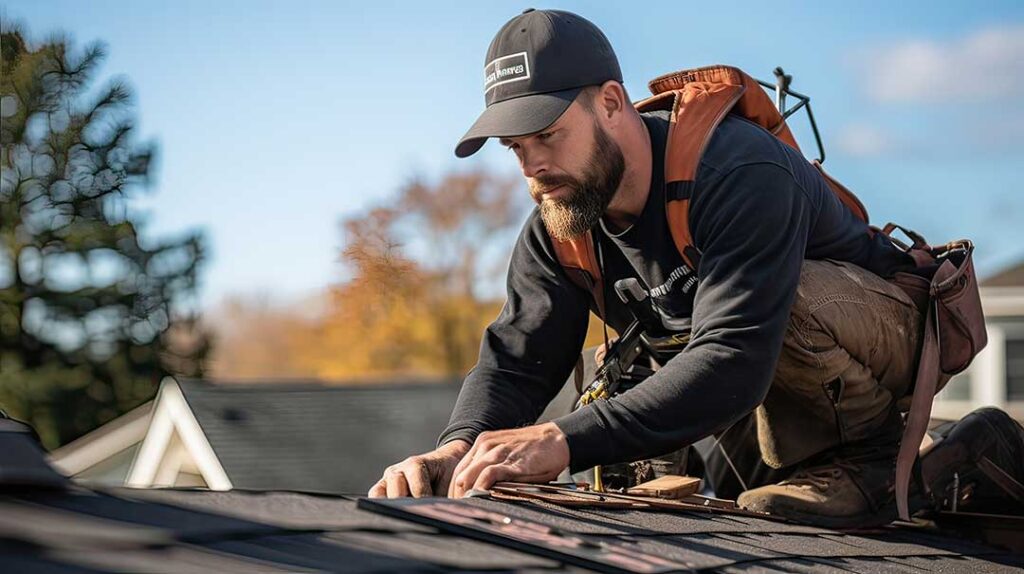
Extending the lifespan of a roof is especially relevant in Carthage, NY, where harsh winters and seasonal temperature shifts can shorten the service life of roofing materials. Residents depend on their roofs to provide insulation and protection from heavy snowfall, ice dams, wind, and rain. Proactively caring for a roof helps households avoid costly repairs and unexpected leaks and improves energy efficiency all year.
What Regular Maintenance Should Residents Perform?
Consistent upkeep is the foundation for longer-lasting roofs. Simple visual inspections at least twice a year—ideally in spring and fall—can reveal early signs of wear before they turn into large-scale repairs.
Look for:
- Curled, cracked, or missing shingles
- Accumulated granules in gutters (for asphalt roofs)
- Algae or moss growth
- Rust on metal flashing or vent pipes
Don’t overlook the attic: moist insulation or water stains on rafters may indicate early leaks. Remove branches, leaves, and other debris from both the roof surface and gutters to prevent water from backing up beneath shingles.
How Can Local Weather Patterns Affect Your Roof?
Carthage’s weather creates unique stress points. Heavy snow loads can weigh down structures, and as snow melts and refreezes, ice dams may form at the roof edge, trapping water and forcing it beneath shingles.
Address these local risks by:
- Using a roof rake to safely remove excess snow after storms
- Ensuring attic insulation and ventilation are adequate, reducing the likelihood of freeze-thaw cycles that create ice dams
- Clearing gutters and downspouts so meltwater drains promptly
Homeowners often underestimate how small blockages or poorly ventilated attics can worsen seasonal damage.
What Steps Prevent Moss, Algae, and Vegetation Growth?
Long, damp springs and shade from mature trees can encourage moss and algae to take hold. Moss traps moisture against the shingles, which can hasten deterioration.
To manage this:
- Trim tree limbs back to minimize shade and debris on the roof
- Install zinc or copper strips at the roof ridge; rainwater carries ions that inhibit moss and algae growth
- Clean affected areas gently with a soft brush and a 50/50 water and vinegar solution; avoid pressure washers, which can remove protective granules from shingles
A common misconception is that power-washing is harmless—overuse can do more damage than good.
Are Energy Efficiency and Roof Health Connected?
Yes. A well-aerated and insulated attic keeps the roof deck at a stable temperature. Inadequate ventilation speeds up the aging process and can trigger ice dams, mold, or rot in Carthage’s climate.
Key steps:
- Check that soffit and ridge vents are not blocked by insulation or debris
- Periodically inspect attic insulation for settling, moisture, or pest intrusion
- Replace or install vapor barriers if water vapor from indoors is condensing in the attic
Addressing these details can mean the difference between a roof that lasts 15 years and one that lasts 25 years or more.
How Should Residents Handle Minor Repairs?
Promptly attending to issues like a missing shingle, loose flashing, or a popped nail extends the overall life of a roof. Delay allows even minor openings to grow with every storm.
For basic issues:
- Reattach or replace errant shingles with roofing cement and nails
- Secure loose flashing with rust-proof screws and sealant
- Plug minor nail pops with roofing caulk
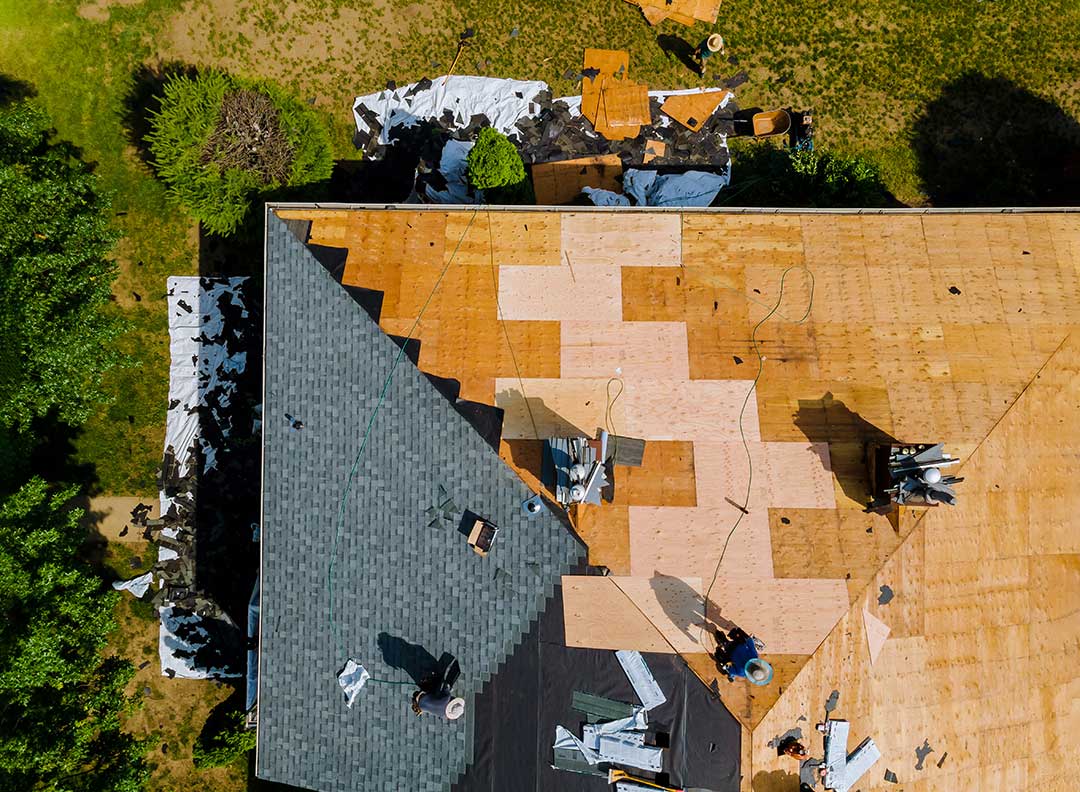
Always perform repairs safely, ideally on a dry day with adequate protective gear. For substantial or high areas, safety should overrule do-it-yourself approaches.
Can Landscaping Choices Make a Difference?
Trees and nearby vegetation greatly influence roof conditions. Overhanging limbs can scrape shingles during storms or drop leaves that clog gutters, while roots from large trees may also impact foundations and grading, altering drainage.
Suggestions:
- Prune branches to at least six feet above the roof
- Reroute downspouts so water drains away from foundations and landscaping beds
- Choose slow-growing, smaller species under eaves and lines
- Regularly clear gutters of leaves and pine needles in autumn
Taking these small actions reduces moisture accumulation and physical wear on the roof.
Is There Value in Knowing Your Roof’s Age and Material?
Knowing the type and installation year of a roof is helpful for realistic maintenance and planning. Asphalt shingles, metal, and other materials have distinct lifespans and maintenance needs.
Tips:
- Keep any warranty paperwork or receipts from roof installation
- Make note of the last replacement or major repair date
- Research the typical lifespan of your specific roof covering (asphalt shingles often last 18–25 years, metal can exceed 40 years with proper maintenance)
Being aware of your roof’s expected longevity helps set a schedule for inspections and lets area households plan financially for eventual replacement.
What Are Signs More Than Maintenance Is Needed?
Routine care resolves most issues, but sometimes ongoing leaks, broad shingle loss, or noticeable drooping indicate widespread deterioration. In Carthage, roofs that repeatedly fail to shed snow or show interior water staining may need further evaluation beyond surface repairs.
Watch for:
- Consistent moisture or mold in the attic despite attempted fixes
- Ceiling stains that grow after each rain or thaw
- Multiple missing shingles in concentrated areas
If any of these signs appear, further action may be necessary to protect the structure and contents of your home.
