
What Does Roof Ventilation Actually Do?
Effective roof ventilation is the process of letting air circulate through the attic and under the roof covering, helping manage temperature and moisture levels year-round. In Carthage, NY, where winters are cold and summers can be warm and humid, proper airflow in this part of the home protects against problems unique to the local climate.
Ventilation allows warm, moist air that rises from living spaces to escape, and helps cool, dry air from outside move in. This natural exchange alone can make a surprising difference for roof longevity and energy bills.
Why Are Homes in Carthage, NY Prone to Roof Ventilation Issues?
In Carthage, many homes are older, have complex rooflines, or feature attic spaces with minimal insulation and ventilation. Snowfall is frequent and temperatures fluctuate widely from winter to summer.
These local conditions mean:
- Heavy snow covers roofs for months, limiting natural airflow and trapping moisture.
- Attics easily become overheated in summer, especially in homes without shade or with dark roofing materials.
- High indoor humidity from heating systems, cooking, or laundry can get trapped if not properly vented.
This combination makes managing airflow even more important here than in milder climates.
How Does Ventilation Prevent Ice Dams and Moisture Damage?
Proper attic ventilation is key for preventing two of the most destructive roof issues—ice dams and moisture buildup.
Ice Dams
Ice dams occur when heat escapes into the attic, melts snow on the roof, and then refreezes along the eaves. A well-ventilated attic stays closer to the temperature outside, keeping roof temperatures more even and reducing the melting and refreezing cycle. This protects both shingles and gutters from heavy ice loads and water intrusion.
Moisture and Condensation
When warm attic air hits the cold surfaces of a winter roof, water can condense along rafters and insulation. Over time, this moisture can:
- Rot wood framing
- Weaken roof decking
- Foster mold and mildew
- Reduce insulation effectiveness
Ventilation balances air temperature and moves moisture out, actively lowering the risk of these problems after snowstorms or rainy periods.
What Are Signs of Inadequate Roof Ventilation?
Knowing the signs can help area residents spot potential troubles early:
- Ice ridges or long icicles hanging from roof edges in winter
- Mold or staining on attic insulation or wood
- Sweat or frost visible on rafters
- Peeling paint along upstairs ceilings
- Higher energy bills despite normal thermostat settings
- Unpleasant attic smells, especially after wet weather
While not all of these mean only ventilation issues, seeing more than one often points to airflow problems.
How Does Roof Ventilation Impact Energy Efficiency?
Seasonal extremes in Carthage make roof ventilation a meaningful factor in home comfort and utility costs.
In winter, an attic that breathes reduces the pressure on heaters by maintaining consistent temperatures above the living area. This means less heat lost through the roof, translating to lower that fuel, propane, or electric bill.
During summer, cooler attic spaces limit the heat transferred to upstairs rooms, so air conditioners and fans work more efficiently. This is especially important for homes without central AC, where attic fans or window units are common.
Homes in this region often notice improved insulation performance and steadier indoor temperatures after ventilation improvements.
What Does Good Roof Ventilation Look Like in Practice?
A healthy roof system balances intake (air coming in at the eaves, soffits, or lower roof) with exhaust (air exiting through roof or ridge vents at the peak). Commonly found options in the region include:
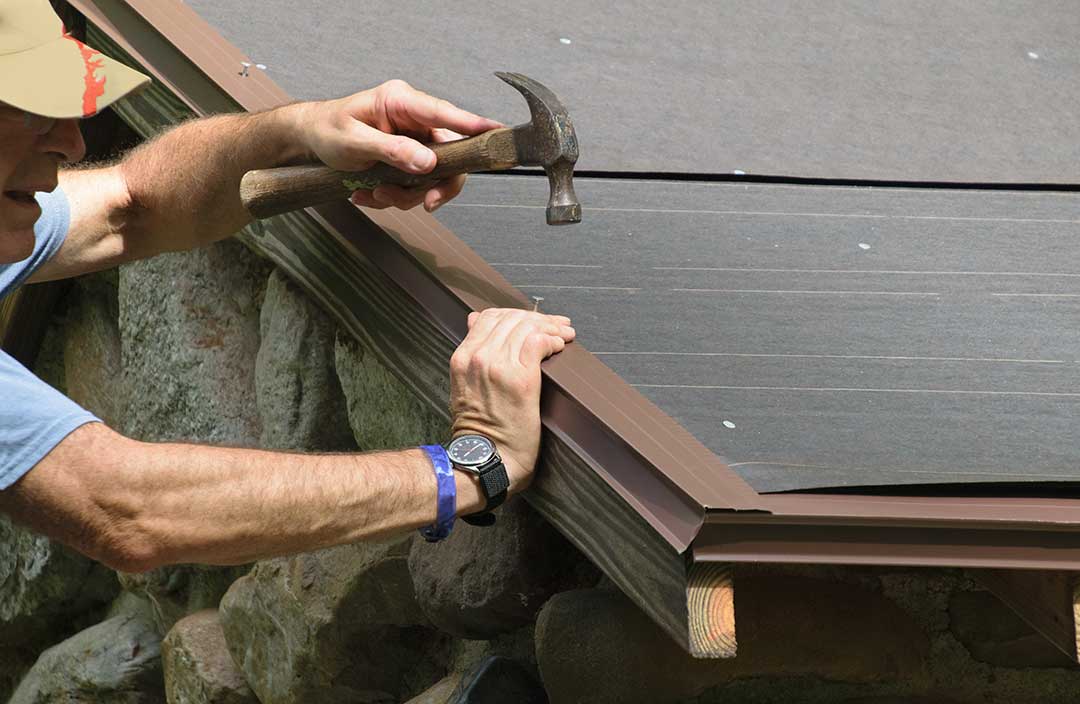
- Soffit vents under the eaves
- Ridge vents along the peak
- Gable vents at attic ends
- Roof vents spaced across the surface
For most homes, these work best when used in combination, tailored for the roof design and attic size. Over-ventilating or mixing too many different vent types can actually backfire by disrupting natural airflow.
Are There Local Regulations or Best Practices for Attic Ventilation?
While Carthage does not have unique standalone rules about roof ventilation, New York State building codes specify minimum ventilation amounts for attics and roof spaces. These codes usually require a certain ratio of ventilation openings to attic floor area, and they must be split between intake and exhaust.
Those planning renovations or roof replacements should make sure any upgrades align with code requirements. Adding insulation alongside ventilation is also a common improvement, but blocking vents with insulation can cause the very issues being addressed—baffles or vent chutes prevent this problem.
What Are Common Misconceptions About Roof Ventilation?
Many area property owners assume that older homes "breathe naturally" or that adding more roof vents is always better. In reality:
- Most older houses were not built with today's insulation levels, so they still need designed ventilation routes.
- Too many or improperly placed vents can cause wind-driven rain entry or create competing airflow paths.
- Insulation and ventilation serve different purposes—both are necessary, but one does not eliminate the need for the other.
It's also a myth that roof ventilation only benefits the home in hot weather; winter is often the season with more at stake for local residents.
How Can Residents Check or Improve Their Roof Ventilation?
Anyone with reasonable attic access can usually do a basic check:
- Look for open (not blocked) soffit vents and visible roof or ridge vents.
- Check for moisture, mold, or uneven temperature in the attic.
- Avoid storing items or insulation that blocks vents.
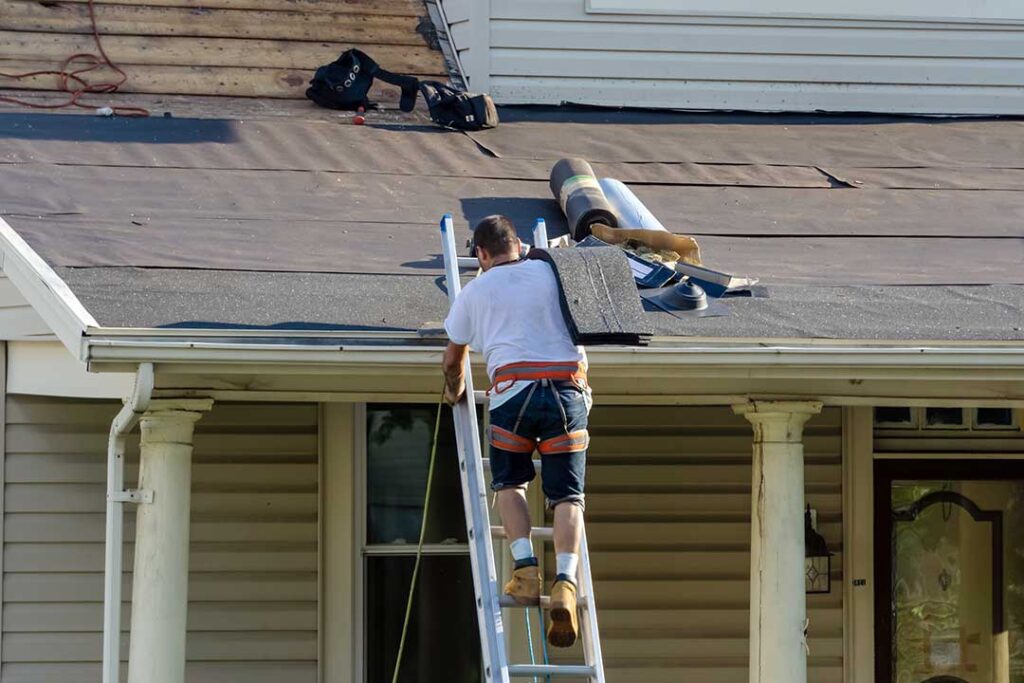
During major roofing work, it's best to factor in ventilation adjustments, especially if adding insulation or changing roofing materials.
Proper maintenance and awareness of ventilation needs can help homes last longer and perform better, with fewer surprises after tough North Country winters or summer storms.
