

What do gutters actually do for a roof?
Gutters collect rainwater and melting snow from the roof edge, then direct that water away from the walls and foundation. This drainage function also helps protect roof edges, fascia boards, soffits, siding, windows, landscaping, and basement areas from repeated moisture exposure.
A roof is designed to shed water across its surface. Gutters manage what happens after water reaches the lower edge. Without a reliable drainage path, water can run down exterior walls, collect beside the foundation, or repeatedly soak the roof’s trim and supporting wood.
For homes in Carthage, NY, gutters also have to handle seasonal changes. Rain, freezing temperatures, snow accumulation, ice formation, and spring thaw can all place stress on a roof drainage system.
How can poor drainage damage a roof?
Poor drainage can shorten the service life of roof components, especially along the lower edges. Water that overflows or backs up may soak the fascia, roof sheathing, and underlayment near the eaves.
Common problems include:
- Rotting fascia boards
- Soft or deteriorated roof edges
- Peeling paint or staining beneath the eaves
- Moisture in soffits and attic overhangs
- Leaks near roof edges and valleys
- Rust or corrosion on metal components
- Mold or mildew in persistently damp areas
A clogged gutter does not always create an immediate roof leak. Damage often develops gradually through repeated wetting and drying. During cold weather, absorbed moisture can freeze and expand, placing additional pressure on wood and seams.
Water may also back up beneath roofing materials when the gutter system is blocked or improperly sloped. This risk is greater where roof edges receive heavy runoff from large roof sections or where downspouts cannot discharge water efficiently.
Why are gutters especially useful during snow and ice season?
Snow and ice create drainage conditions that are different from ordinary rainfall. A gutter may appear clear in autumn but become blocked by frozen water, packed snow, leaves, or ice.
Ice buildup can hold water against the roof edge. If that water reaches beneath shingles or roofing membranes, it can contribute to leaks in the eaves and nearby attic areas. Heavy ice can also place extra weight on gutters and loosen brackets or fasteners.
Snow guards, insulation, ventilation, and roof design all influence how snow and ice behave. Gutters alone cannot prevent every winter roof problem. Their role is to provide a clear path for water whenever melting occurs.
Winter-related warning signs include:
- Icicles forming repeatedly along the same roof edge
- Water stains near exterior walls or ceilings
- Gutters pulling away from the fascia
- Ice covering or blocking downspout openings
- Damp insulation near the eaves
- Water running behind gutters instead of into them
Large or thick ice formations should not be chipped away from the roof edge. Removing them improperly can damage shingles, flashing, gutters, and the person attempting the work.
How often should gutters be checked?
Most homes benefit from checking gutters in spring and late fall, with additional inspections after major storms or periods of heavy leaf drop. The exact schedule depends on the number of trees nearby, roof size, gutter design, and the amount of debris entering the system.
In spring, inspection should focus on winter damage. Look for loose sections, separated joints, bent edges, missing fasteners, and downspouts that no longer connect securely.
In late fall, remove accumulated leaves, needles, and seed pods before freezing weather arrives. Even a partial blockage can prevent water from reaching the downspout.
A simple ground-level inspection can identify many concerns:
- Gutter sections that sag between fasteners
- Water stains below the gutter line
- Overflow marks at corners
- Downspout extensions that have shifted
- Pools of water or eroded soil near discharge points
- Visible gaps between the roof edge and gutter
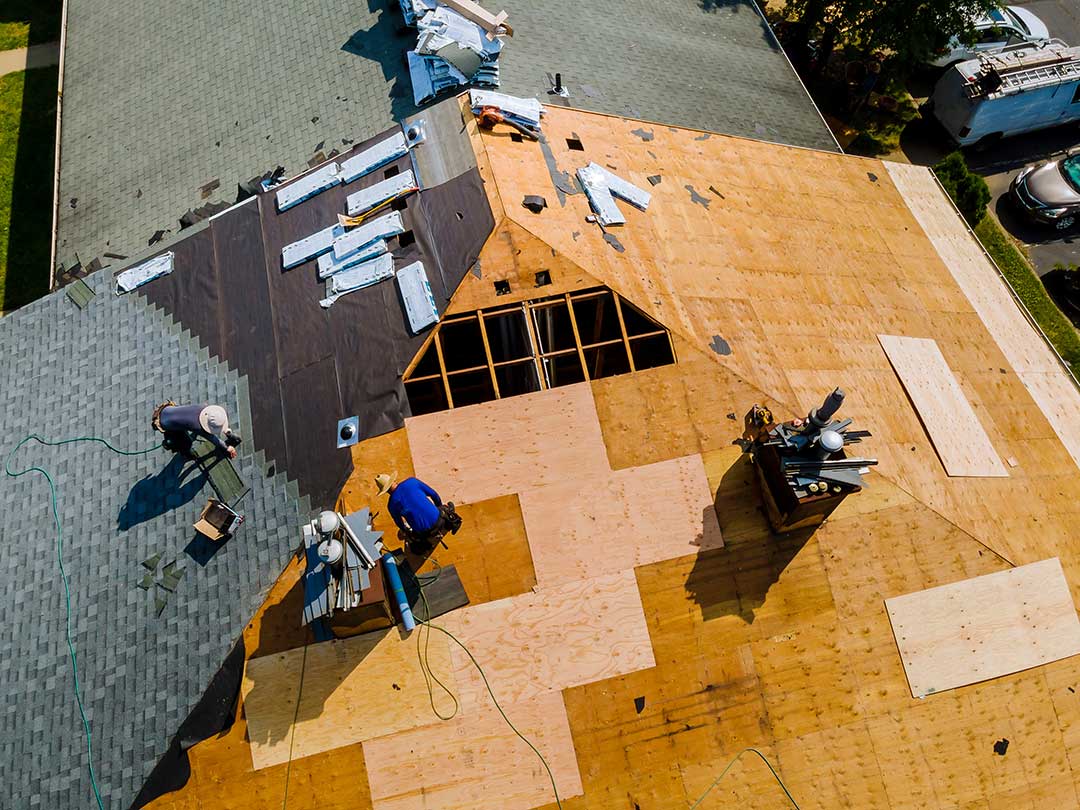
Roof access is not necessary for every inspection. Walking on a roof or leaning a ladder against gutters can create avoidable safety risks and physical damage.
What is the connection between downspouts and roof health?
Downspouts are just as important as the horizontal gutters. If water cannot leave the gutter system, it backs up and overflows at the roof edge.
A downspout should carry water far enough away from the foundation to prevent repeated saturation beside the house. The discharge area should also avoid directing water toward walkways, basement window wells, septic components, or areas that freeze into slippery surfaces.
Downspouts can become blocked by leaves, ice, animal nesting material, or compacted debris. A blockage may not be visible from the ground, especially if it occurs near an elbow or underground connection.
During heavy rain, observe whether water exits freely. A downspout that spills from seams, overflows at the top, or releases water slowly may need cleaning or repair.
Can gutters cause roof problems if they are installed incorrectly?
Yes. Gutters that are too small, poorly sloped, loosely attached, or positioned too far below the roof edge may fail even when they are clean.
If the gutter sits too low, water can overshoot it during heavy rain or rapid snowmelt. If it sits too high or is fastened improperly, it may interfere with the roof edge or allow water to run behind it.
Gutters should generally follow a slight slope toward downspouts. Excessive sagging creates low spots where water and debris collect. Fasteners that are missing or spaced too far apart may allow the system to pull away from the fascia under the weight of water, snow, and ice.
Roof design also matters. Valleys, upper roof sections, dormers, and steep slopes can concentrate water in specific areas. Those locations may need careful attention because runoff can overwhelm a nearby gutter section even when the rest of the system appears normal.
Do gutter guards eliminate maintenance?
No. Gutter guards may reduce the amount of debris entering a gutter, but they do not make the drainage system maintenance-free. Leaves can accumulate on top, fine material can pass through openings, and ice or snow can still obstruct water movement.
A guarded system still needs periodic observation and cleaning when necessary. The roof edge, gutter seams, downspouts, and discharge areas should all be checked as one connected system.
The most useful question is not whether a gutter has a cover. It is whether water moves from the roof to the downspout and away from the foundation without backing up or overflowing.
When does a gutter problem require immediate attention?
Prompt attention is warranted when water is entering the attic or living space, gutters are pulling away from the house, wood near the eaves feels soft, or a roof edge has visible deterioration.
Safety concerns also matter. Professional evaluation is appropriate when inspection requires steep roof access, work near electrical lines, removal of heavy ice, or climbing several stories. A roof or gutter issue that appears minor from the ground may involve hidden structural or moisture damage.
For routine upkeep, the practical goal is straightforward: keep drainage paths open, make sure water leaves the roof edge cleanly, and watch for changes after severe weather. Properly functioning gutters do not replace a sound roof, but they help prevent water from turning ordinary runoff into a long-term roofing problem.
