

What Does a Roof Warranty Cover?
A typical roof warranty offers protection against certain roofing problems, but coverage varies depending on the type of warranty and specific terms. Most residential roofs in Carthage come with two main types of warranties: manufacturer (or material) warranties and workmanship warranties.
- Manufacturer warranties generally cover the roofing materials themselves, protecting against defects like shingles failing prematurely or underperforming.
- Workmanship warranties are issued by the contractor who installs the roof and cover issues caused by installation errors.
It’s common for homeowners to assume that all roof issues are covered for decades. In reality, warranties tend to be more limited. For example, material warranties usually exclude storm damage, leaks from ice dams (a concern in the local winter months), or failure due to poor ventilation—unless the problem is directly traced back to a defective product.
How Long Do Roof Warranties Last and What Voids Them?
Roof warranty lengths vary widely. Basic manufacturer warranties for asphalt shingles—one of the most common materials in the Carthage region—often claim 20 to 30 years. Some premium shingles offer “lifetime” coverage, but the definition of “lifetime” may be capped (e.g., 40 or 50 years). Workmanship warranties are usually shorter, ranging from one year up to a decade, depending on the installer.
A warranty can be voided or denied for several reasons:
- Improper installation—if a product is not installed according to manufacturer guidelines, the warranty may not apply.
- Lack of maintenance—ignoring required care, such as removing debris or keeping gutters clear, can risk coverage.
- Unauthorized repairs or modifications—doing your own major repairs, or hiring someone who is not recognized by the manufacturer, often cancels the warranty.
- Roof overlays—adding new shingles over old ones (rather than a full tear-off) can jeopardize some kinds of coverage.
Regular maintenance and documentation—like written service records and before/after photos—can help show that you’re meeting your responsibilities as a property owner.
What Are Common Misconceptions About Roof Warranties?
There are a few regular misunderstandings local residents face regarding roof warranties:
- Warranties do not cover all damage. Roof warranties seldom protect against hail, high winds, ice dams, or fallen branches—those are usually only covered by homeowners' insurance.
- “Lifetime” doesn’t mean forever. Terms may change if you sell your home, and lifetime coverage often declines in value as the years go by (sometimes called “prorated” coverage).
- Warranty transfers can have restrictions. If you sell your house, the warranty may transfer to the new owner, but sometimes only within a limited window and with a required transfer process and fee.
These details are especially important in the Carthage area, where changes of ownership and the harsh winter climate can affect both the roof’s performance and your ability to claim warranty benefits.
What Should Homeowners in Carthage, NY Consider When Reviewing Warranty Terms?
Understanding your warranty fine print is essential for peace of mind in the local climate, where heavy snow and freeze-thaw cycles challenge roofing systems.
When reading a warranty, consider:
- What specific types of damage are covered?
- How long does coverage last, and are there any time limits for making a claim?
- What are your maintenance obligations?
- How is coverage handled if you need a repair—are only materials covered, or also labor?
- Is the warranty transferable if you sell your home?
- Are there any registration steps or fees required to activate or transfer the warranty?
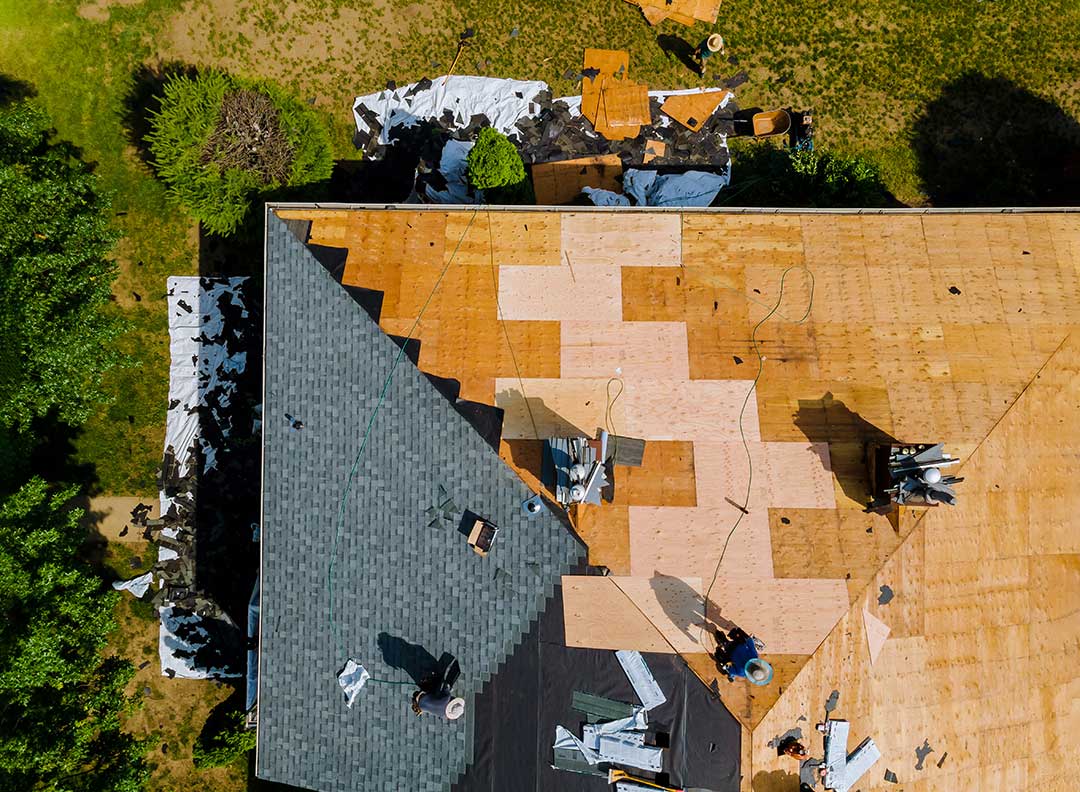
Pay special attention to exclusions. For instance, if melting snow regularly forms ice dams along eaves and causes leaks, this is often outside the scope of a basic warranty, even when material failure is suspected. Some warranties may require prompt notice of damage or only cover specific kinds of leaks. Save all documents related to your purchase and installation, as well as any yearly maintenance or inspection reports, as proof if you ever need to make a claim.
What Maintenance Habits Help Protect Your Warranty?
A little routine care goes a long way in maintaining your warranty protection. For homes in the community where winter conditions are harsh and trees shed debris year-round, these habits can help:
- Clean gutters and downspouts every fall and spring to prevent blockages and water backup.
- Remove moss and lichen, especially on shaded sections.
- Inspect the roof after major storms, looking for blown-off shingles or debris.
- Document annual roof inspections, even if nothing is wrong.
- Fix minor damage promptly to prevent escalation.
Keeping dated photos and written notes from inspections can be invaluable if you face a dispute over warranty coverage.
How Do Roof Warranties Work With Insurance?
Warranties are not insurance, and vice versa. If wind, hail, or tree branches damage your roof, this is typically a job for your home insurance policy, not the warranty.
A warranty can be used if a shingle fails strictly due to manufacturer defects or poor installation, but not if local weather conditions, animal activity, or accidental impact causes the problem. Some residents misunderstand this difference and try to use warranties for storm claims—frustration often follows. Both are important but serve very different roles for protecting your property.
