

Why Prepare Your Roof Before Winter Arrives?
Freezing temperatures, snow, and ice can take a toll on homes in Carthage, NY. Preparing your roof before winter begins reduces the risk of leaks, ice dams, and costly repairs during the coldest months. Early fall is the ideal time for inspection and maintenance because conditions are safer and problems are easier to address.
What Are the Most Common Roof Problems During Winter?
Snow accumulation, ice dams, and high winds frequently challenge area roofs. The following issues often arise:
- Ice dams form when melting snow refreezes at the edge, causing water to back up underneath shingles.
- Unchecked debris or leaves clog gutters, leading to water overflow and potential shingle or structural damage.
- Small leaks that go unnoticed in fall can expand with freeze-and-thaw cycles, causing water to seep into attics or walls.
Homes in the city often feature sloped roofs designed for snow, but older structures or poorly maintained systems are still vulnerable.
How Should You Inspect Your Roof in the Fall?
A careful visual inspection from the ground is a safe start. Use binoculars to look for missing or cracked shingles, sagging areas, or worn flashing around chimneys and vents. Pay special attention to:
- Shingle edges (often where ice dams form)
- Areas near roof valleys
- Around protrusions like plumbing vents or satellite dishes
If it’s safe and you’re comfortable, clear leaves and sticks from the roof surface by hand or with a leaf blower, avoiding scraping or tearing shingles. Always use stable footing and avoid walking on the roof if conditions are slippery or steep.
Why Are Clean Gutters Important Before Snowfall?
Clogged gutters are a frequent cause of ice dams and roof leaks throughout the city each winter. Clean gutters allow melting snow and rain to drain safely away from your roof and foundation.
- Remove leaves, twigs, and sediment from all gutters and downspouts.
- Flush gutters with a hose to confirm water flows freely.
- Make sure downspouts direct water at least several feet away from your home’s base.
Neglecting this step can lead to roof rot and even basement water intrusion once snow begins to melt.
How Do Attic Conditions Affect Roof Performance in Winter?
Attic ventilation and insulation are key factors in preventing ice dams. A well-ventilated attic helps keep the roof’s underside cold, reducing the risk of snow melting and refreezing at the eaves.
- Check for even distribution of insulation and look for gaps or areas where insulation is compressed or wet.
- Inspect soffit and ridge vents for blockages (caused by dust or old insulation).
- Watch for signs of condensation, such as damp insulation or musty smells, which may indicate poor airflow.
Many Carthage attics were insulated decades ago; periodic inspection helps maintain consistent performance and avoids costly roof damage.
What Can Be Done to Prevent Ice Dams?
Ice dams result primarily from uneven roof temperatures. Besides improving insulation and ventilation as described above, other prevention tips include:
- Raking fresh snow from roof edges with a roof rake (from the ground) right after storms.
- Sealing air leaks around attic hatches, light fixtures, and plumbing pipes that let warm air escape upward.
- Confirming that bathroom and kitchen exhaust fans discharge outside, not into the attic space.
Avoid using salt or sharp tools to hack away ice, which can damage shingles or flashing. Ice dam formation is often overlooked until water finds its way inside, so proactive steps make a difference.
Are Small Repairs Worth Doing Before Winter?
Even minor damage can quickly grow into a major issue during winter weather. Look for and address:
- Missing, cracked, or curling shingles
- Loose or damaged flashing, especially around chimneys and skylights
- Open seams or gaps in roof valleys
Temporary patching with roofing cement may hold through the season, but full repairs should follow once weather permits. Preventing water entry is always easier and safer before heavy snow arrives.
What Are Some Overlooked Steps That Help Protect Local Roofs?
Several simple precautions help area households avoid midwinter surprises:
- Trim tree branches that hang over the roof to prevent snow buildup and broken limbs.
- Store snow removal tools (like a roof rake) within easy reach before storms hit.
- Ensure satellite dishes, solar panels, or other equipment mounted to the roof are secure and watertight.
Residents sometimes forget to check vent stacks and small protrusions, which can be sources of gradual leaks if flashing wears out or falls away.
When Does Roof Safety Require Professional Assistance?
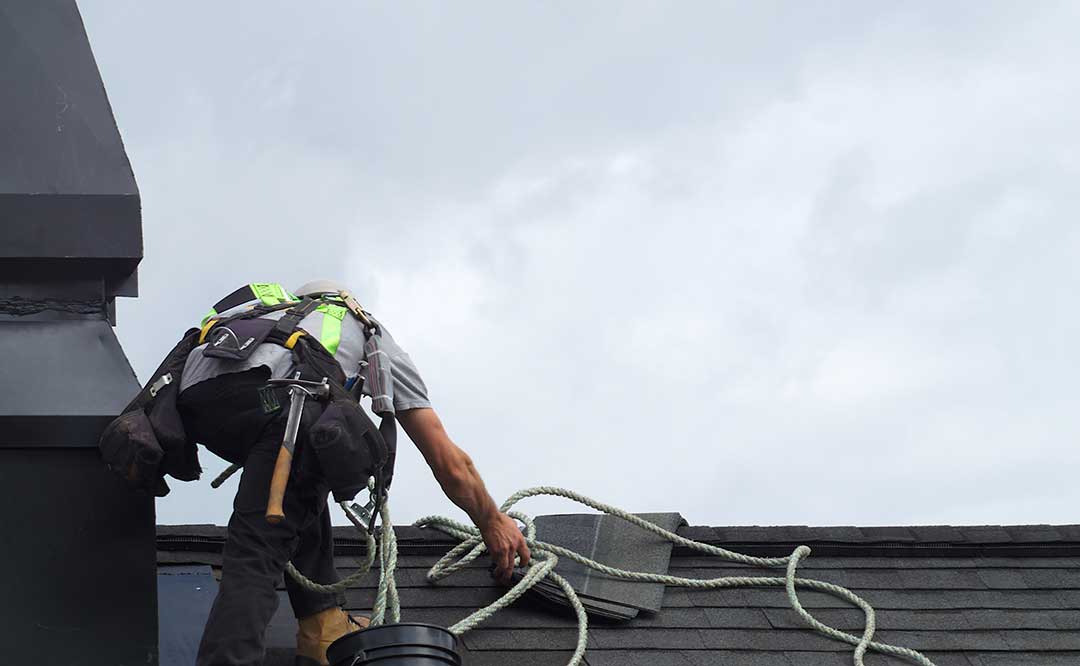
If you notice significant sagging, bowing rafters, or persistent interior leaks, these may indicate structural problems needing immediate attention. Also, steep roofs, heavy snow loads, or any work requiring a ladder beyond your comfort zone should be left to qualified help for safety. Otherwise, regular inspections and maintenance can be handled by most able-bodied homeowners, especially before winter weather sets in.
