

Why Have a Roof Inspection in Carthage, NY?
Roof inspections are an essential part of home maintenance, especially in Carthage, NY, where long winters, heavy snow, and seasonal rain can put extra stress on roofing materials. An inspection provides a detailed assessment of your roof’s health, helping to catch small issues before they become expensive repairs. For Carthage households, regular checks also align with local insurance requirements and can help extend the lifespan of roofing systems exposed to Northeastern weather.
What Happens During a Roof Inspection?
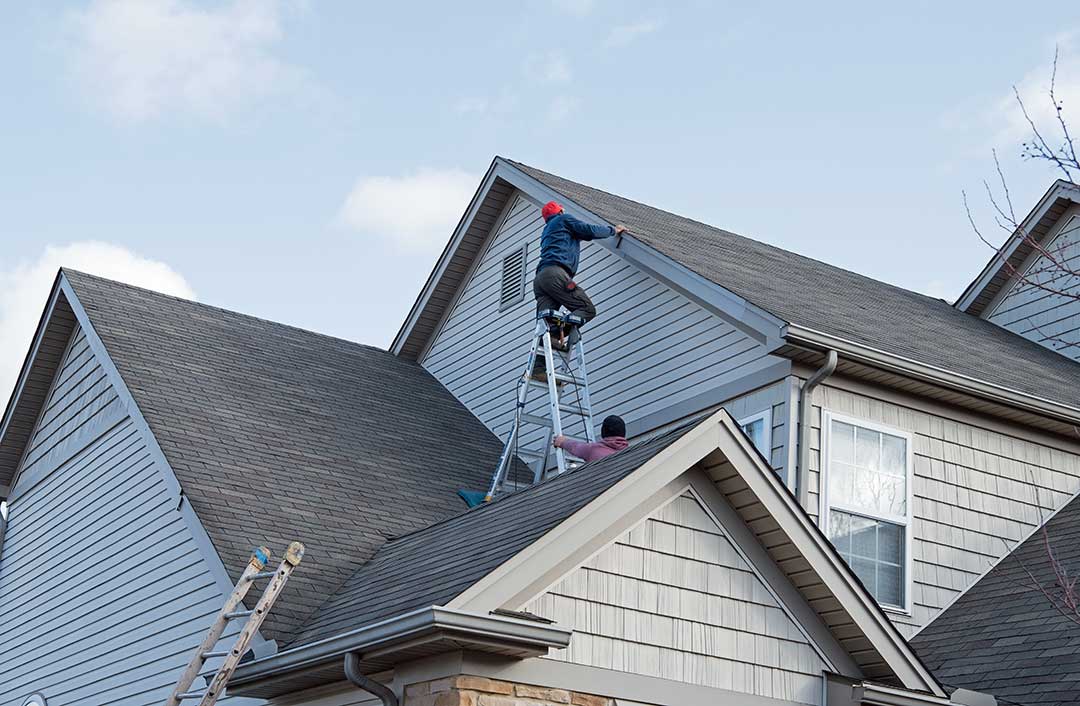
During a professional inspection, an experienced roofer systematically examines every layer and feature of the roofing system. The process often begins with a visual check from the ground, moves on to a close-up survey of accessible areas, and may include attic or interior ceiling reviews for signs of leaks. In colder months, extra attention is paid to areas susceptible to ice damming and freeze-thaw damage.
Typical steps include:
- Looking for cracked, curling, or missing shingles
- Checking flashing, gutters, vents, and roof penetrations for wear or damage
- Inspecting the attic for water stains, mold, or daylight showing through
- Assessing for signs of animal activity or nesting near roof edges
- Evaluating the overall roof structure for sagging or unevenness
Local inspectors may also consider the condition of nearby trees and overhanging branches, as falling limbs and trapped debris can be common problems in the city.
How Long Does the Process Take?
Most residential roof inspections in Carthage take between 45 minutes and two hours, depending on the roof’s complexity and condition. Weather can be a factor—snow, rain, or high winds may require rescheduling, particularly for steep or slippery roofs. Homeowners are usually welcome to ask questions during or after the process but do not need to be present for every step.
What Are Inspectors Looking For in Our Local Climate?
Inspectors in Carthage pay close attention to storm-related wear and winter damage. After harsh winters, they are alert for lifted or broken shingles, granule loss, ice damage at eaves, and blocked gutters. In older homes, long-term moisture issues or insufficient attic ventilation can also come into focus.
Common regional concerns:
- Shingle and flashing damage from freeze-thaw cycles
- Moss and algae growth, especially on shaded sections
- Popped nails or loose fasteners from shifting roof decks
- Evidence of ice damming along gutter lines
What Should Residents Ask or Expect in the Inspection Report?
A good inspection report provides clear, prioritized findings: what’s damaged, what’s aging but still serviceable, and what’s in good condition. Look for:
- Detailed descriptions of issues, ideally with photographs
- An outline of which repairs are urgent versus which are routine maintenance
- Notes on attic or ceiling conditions, particularly after a hard winter
- Recommendations for preventive care, such as cleaning gutters or trimming branches
Residents sometimes expect a “pass/fail” result, but most inspection reports are more nuanced, focusing on overall roof health and maintenance steps rather than a simple grading system.
Are There Common Misconceptions?
One misconception is that all roof problems are visible from the ground. Many leaks or structural weaknesses are subtle and only noticeable close up or from inside the attic. It’s also easy to overestimate the lifespan of asphalt shingles in this climate; repairs or replacements may be needed sooner when roofs are exposed to persistent wind, snow, and wet seasons.
Another confusion is assuming a roof “just installed” doesn’t need checking for years. Even newer roofs can develop issues quickly under heavy weather or if installation skipped key ventilation or flashing details.
What If the Inspection Finds Major Issues?
Finding significant problems does not automatically mean an immediate roof replacement is required. In many cases, spot repairs or targeted fixes can stabilize the structure for several years. Residents should expect clear, written documentation and an explanation of any urgent safety risks—like unstable decking, severe water entry, or fire hazards from electrical penetration points. In some cases, especially after a storm, insurance may require an official inspection to support a claim.
How Often Should Residents Schedule a Roof Inspection Locally?
For Carthage, a roof inspection is typically recommended once per year, preferably in spring or early fall. This timing helps spot winter damage and prepare for seasonal storms. Additional checks may be wise after high winds, hail, or if you notice warning signs like leaks, ceiling spots, or shingle debris on the ground.
What Can You Do Between Inspections?
Ongoing roof care makes inspections more effective and can prevent sudden surprises. Residents can:
- Remove any debris from gutters or downspouts
- Cut back branches that could scrape or drop onto the roof
- Check attic spaces for musty smells or new stains after storms
- Monitor for ice dams along eaves after snowfalls
Simple steps like these keep roofing systems healthier and ensure that future inspections are straightforward.
