

How Can Carthage, NY Residents Tell a Roof Needs Replacement?
A roof protects homes from the region’s snow, rain, and changing seasons, but even the best-maintained roofs eventually reach the end of their useful life. Recognizing when a replacement is necessary can help area homeowners avoid larger repair bills and interior water damage.
While every roof is different, age, visible wear, and water intrusion are the most common signs it’s time to consider a new roof. By checking key warning indicators and understanding local climate pressures, Carthage residents can make informed decisions about roof health.
What Is the Typical Lifespan for Roofs in This Area?
Most standard asphalt shingle roofs in the local region last 18 to 25 years before major failure risks increase, though material quality, roof pitch, and ventilation also matter. Metal and other premium materials can last considerably longer, but harsh Carthage winters—especially heavy ice and freeze/thaw cycles—can shorten a roof’s lifespan.
Area households with older homes should check records for the last roof replacement date. If a roof is nearing 20 years old, it’s wise to begin regular checks for wear, especially after winter.
Which Visible Signs on a Roof Suggest It’s Failing?
Obvious shingle wear is a clear signal. Look for:
- Shingles that are cracked, curled, or missing
- Large sections with granules worn away, exposing black substrate
- Areas with moss or algae growth, particularly in shaded sections
Curled or buckled shingles often appear after many freeze-thaw cycles or years of sun. Missing shingles leave the underlying structure exposed, making leaks more likely. Moss can indicate long-term moisture buildup beneath the surface.
How Does Water Damage Show Up Indoors?
If you notice brown stains on ceilings or walls, peeling paint near rooflines, or musty odors in attic spaces, these can all be indicators that water is penetrating from above. In Carthage, snowmelt pooling on roofs and ice dams may lead to water backing up under shingles and entering the attic.
Water leaks can sometimes travel along rafters before dripping in visible spots, causing delayed or misleading signs indoors. Small leaks can quickly worsen, especially during spring thaws or heavy rain.
Are Small Repairs Enough, or Is Full Replacement Wiser?
Minor damage, like isolated missing shingles or a small area of flashing, may be safely repaired if the rest of the roof is in good condition. However, if problems appear across large sections, or leaks recur after patching, the underlying structure may be failing.
In the Carthage climate, persistent issues after several repairs often mean the underlayment or decking is compromised due to years of moisture or ice buildup. In such cases, a full roof replacement may actually reduce long-term costs and prevent major water intrusion.
How Does the Local Climate in Carthage Affect Roof Longevity?
Roofs in this area contend with:
- Heavy snow accumulation, which can stress underlying structures
- Ice dams that trap water and lift shingles
- Rapid temperature swings, especially between day and night during spring and fall
- Intense summer sun, which speeds up shingle breakdown
These factors collectively take a toll, causing even well-installed roofs to wear out sooner than expected in milder climates. Annual checks in late spring, after snow finishes melting, can catch winter-related damage before it grows.
What’s Commonly Overlooked That Speeds Up Roof Wear?
Certain issues often escape notice but have a major impact:
- Poor attic ventilation, which leads to heat buildup and warped shingles
- Clogged gutters, causing rain and meltwater to back up beneath the edges
- Overhanging tree limbs, which drop leaves, shade shingles (increasing moss), or scrape surfaces
- Unnoticed animal activity—squirrels and birds can damage flashing or create small openings
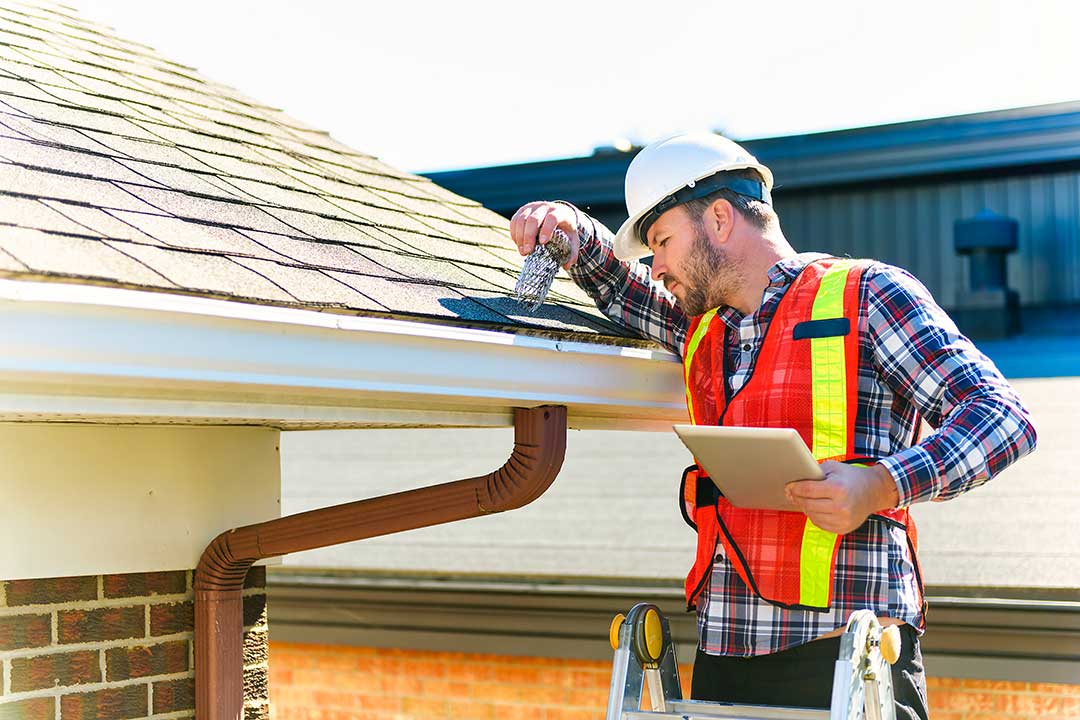
Local homes surrounded by mature trees or lacking modern ventilation sometimes see faster-than-expected deterioration, especially after hard winters.
Are There Seasonal Patterns That Make Replacement More Urgent?
Yes. In the community, ice damming is especially problematic in late winter and early spring. That’s when water finds weaknesses and enters homes, sometimes causing sudden ceiling failures or widespread drywall damage.
If leaks or large shingle loss are found after winter storms or heavy winds, quick assessment is essential to prevent further interior problems. Deferred replacement can lead to rot or mold, which is far more disruptive and costly than a planned roofing project.
What Mistakes Should Local Residents Avoid When Assessing Roof Condition?
To make good decisions, area homeowners should avoid:
- Only checking the roof from the ground, missing subtle shingle or flashing problems
- Ignoring “small” leaks, since they nearly always grow larger
- Thinking newer roofs can’t have issues—improper installation or storm damage can void manufacturer lifespans
- Skipping annual attic checks for mold or damp insulation, which signal chronic leaks
Taking pictures during self-inspections—and comparing changes year to year—can help track developing issues.
When Is Replacement Needed for Local Safety or Compliance?
Certain conditions go beyond aesthetic or minor maintenance concerns. If a roof is sagging, has large soft spots, or daylight is visible from the attic, these may be safety hazards linked to structural decay. In rare cases, local building requirements may also mandate replacement for structural or safety code compliance, particularly before selling a home.
Any work that involves touching electrical wiring, entering a steep roof area, or working near vulnerable skylights should be left to experienced specialists for safety.
